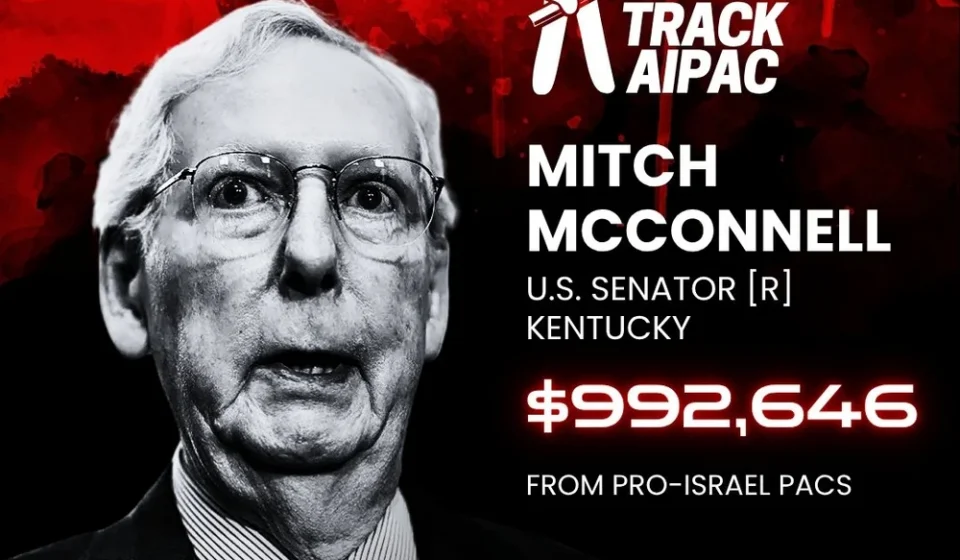

I believe members of Congress should put the interests of the United States above all else. When elected officials accept significant funding from organizations or interest groups tied to foreign policy agendas—whether from AIPAC or any other group—it raises serious questions about whose interests they are representing.
If any elected official places the interests of another country above their oath to the United States, there should be a full investigation and, if evidence shows they violated the law or betrayed their constitutional duties, they should be held fully accountable. Public office should serve the American people—not any foreign government or special interest.
There should be a clear and transparent distinction between lawful political contributions, lobbying activities, and financial arrangements that could create conflicts of interest or the appearance of improper influence over members of Congress or the Senate.
The interests of the United States and its citizens should remain the primary consideration in federal policymaking. Foreign governments, foreign entities, and organizations acting on behalf of foreign interests should not be permitted to use financial contributions, lobbying, or other forms of influence to improperly affect the decisions of elected officials.
Campaign contributions and other financial support provided to candidates and elected officials should be subject to strong transparency and accountability requirements. Contributions from individuals and organizations within the United States should be clearly distinguishable from funding originating from foreign governments, foreign nationals, or entities controlled by foreign interests. Where financial contributions are connected to an expectation of official action, legislation, preferential treatment, or other governmental decisions, those circumstances should receive appropriate scrutiny under applicable federal law.
It is also important to distinguish legitimate political participation from bribery. Not every political contribution constitutes bribery; however, money or something of value provided in exchange for a specific official act can raise serious legal and ethical concerns. Federal law should be consistently enforced when financial relationships cross that line.
The American people should have confidence that elected officials are making decisions based on the interests of their constituents and the laws and Constitution of the United States—not because of undisclosed financial relationships or improper foreign influence. Greater transparency regarding the source of political funding, lobbying activities, and potential conflicts of interest can help protect the integrity of the democratic process while preserving the constitutional rights of Americans to participate in government and political advocacy.
Federal Statute | 18 U.S.C § 2381
The federal criminal statute implementing the constitutional provision is 18 U.S.C. § 2381, Treason. It applies to someone who, while owing allegiance to the United States, “levies war against them or adheres to their enemies, giving them aid and comfort.” The statute provides severe penalties, including imprisonment of at least five years, a fine of at least $10,000, and disqualification from holding federal office; it also permits the death penalty.
The Constitution | Article 3, Section 3
Treason against the United States, shall consist only in levying War against them, or in adhering to their Enemies, giving them Aid and Comfort.
Track congress members to see if they are receiving money here: https://www.trackaipac.com/congress